De-Minimis
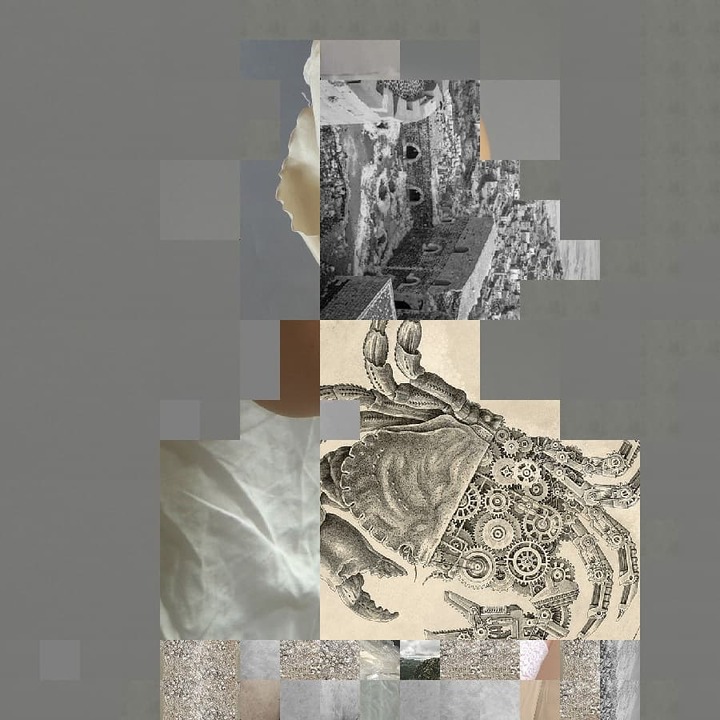
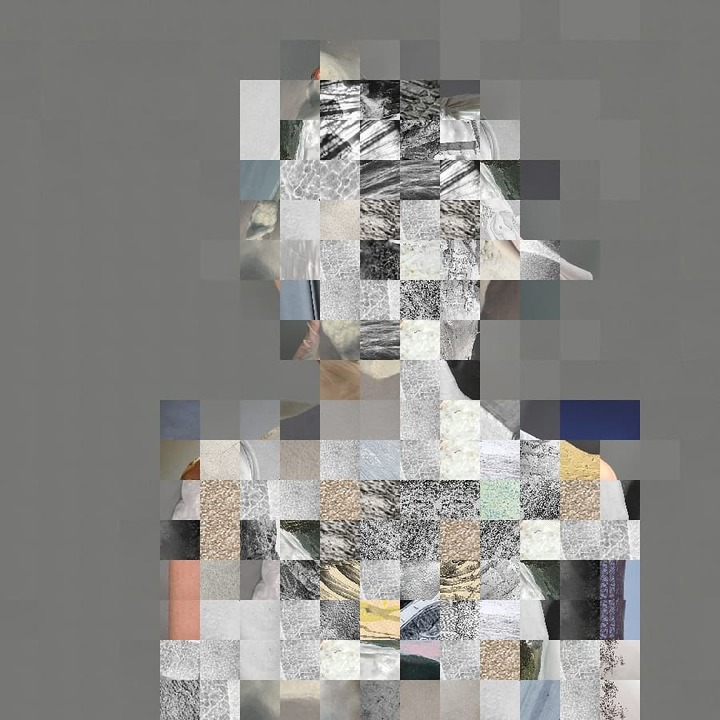
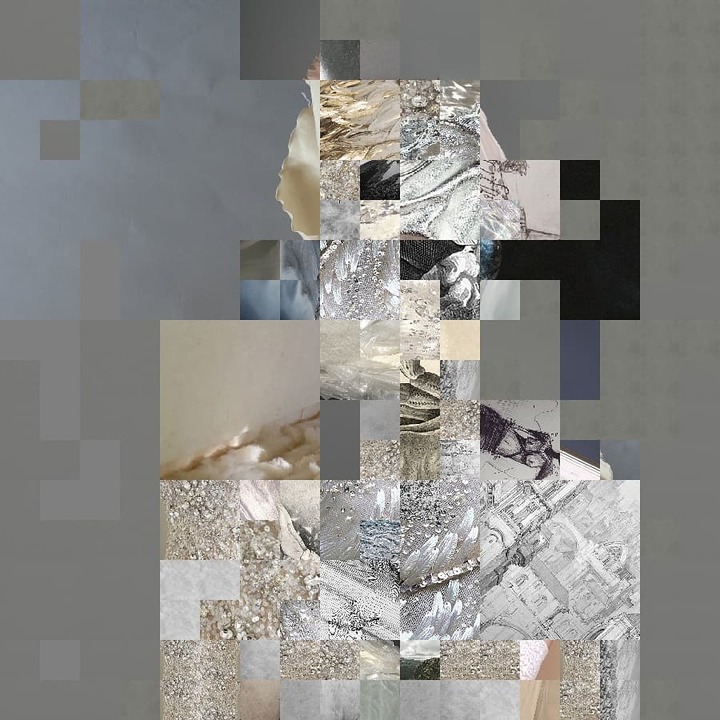
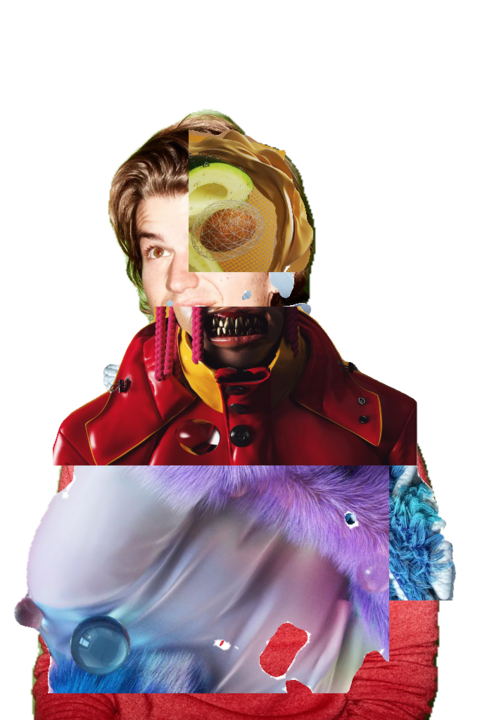
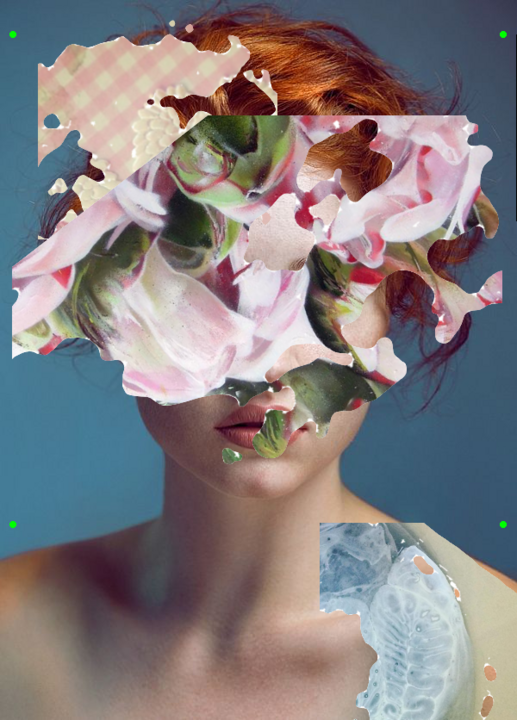
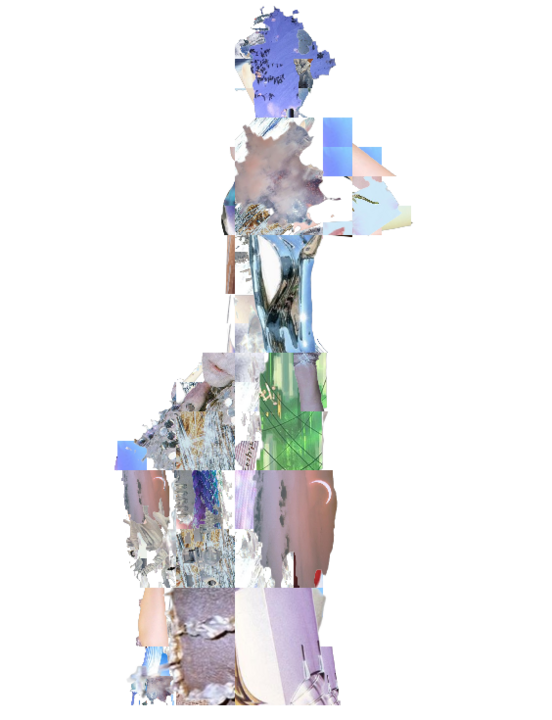
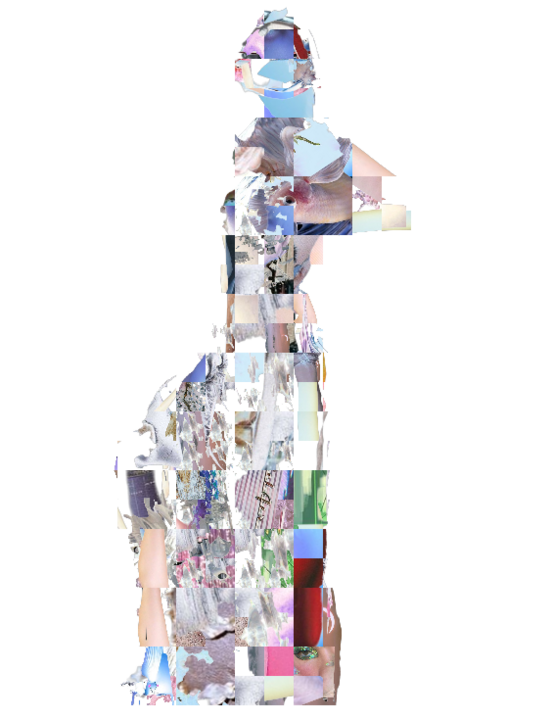
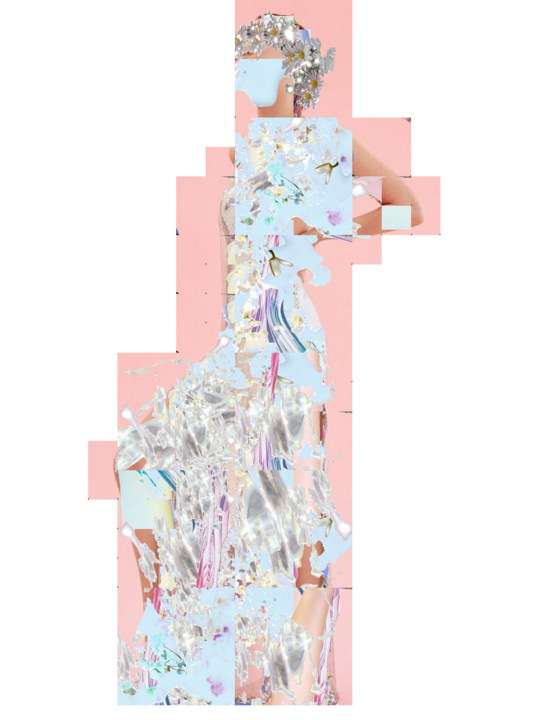
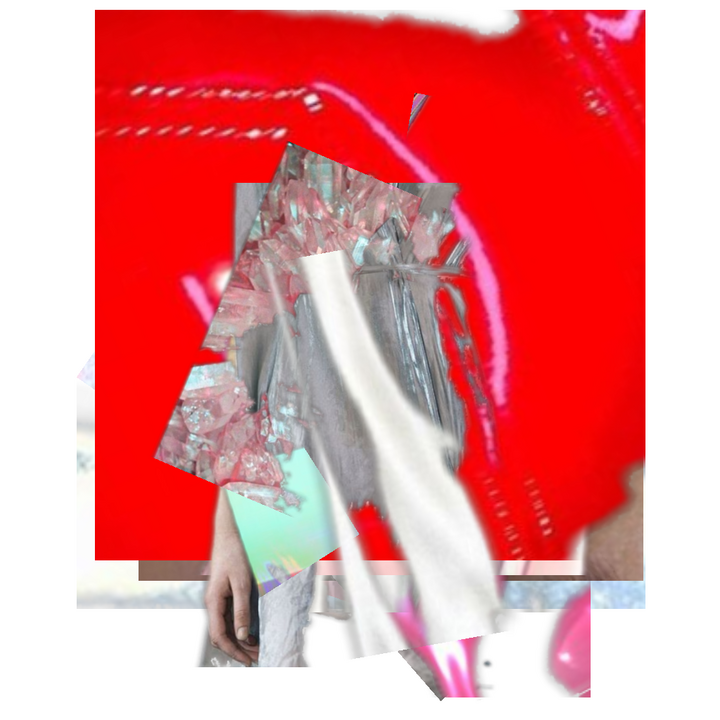
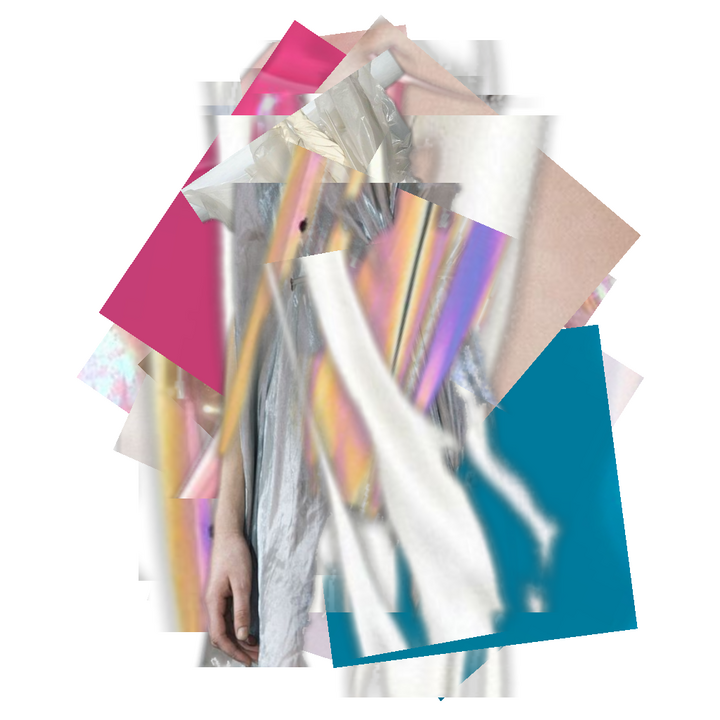
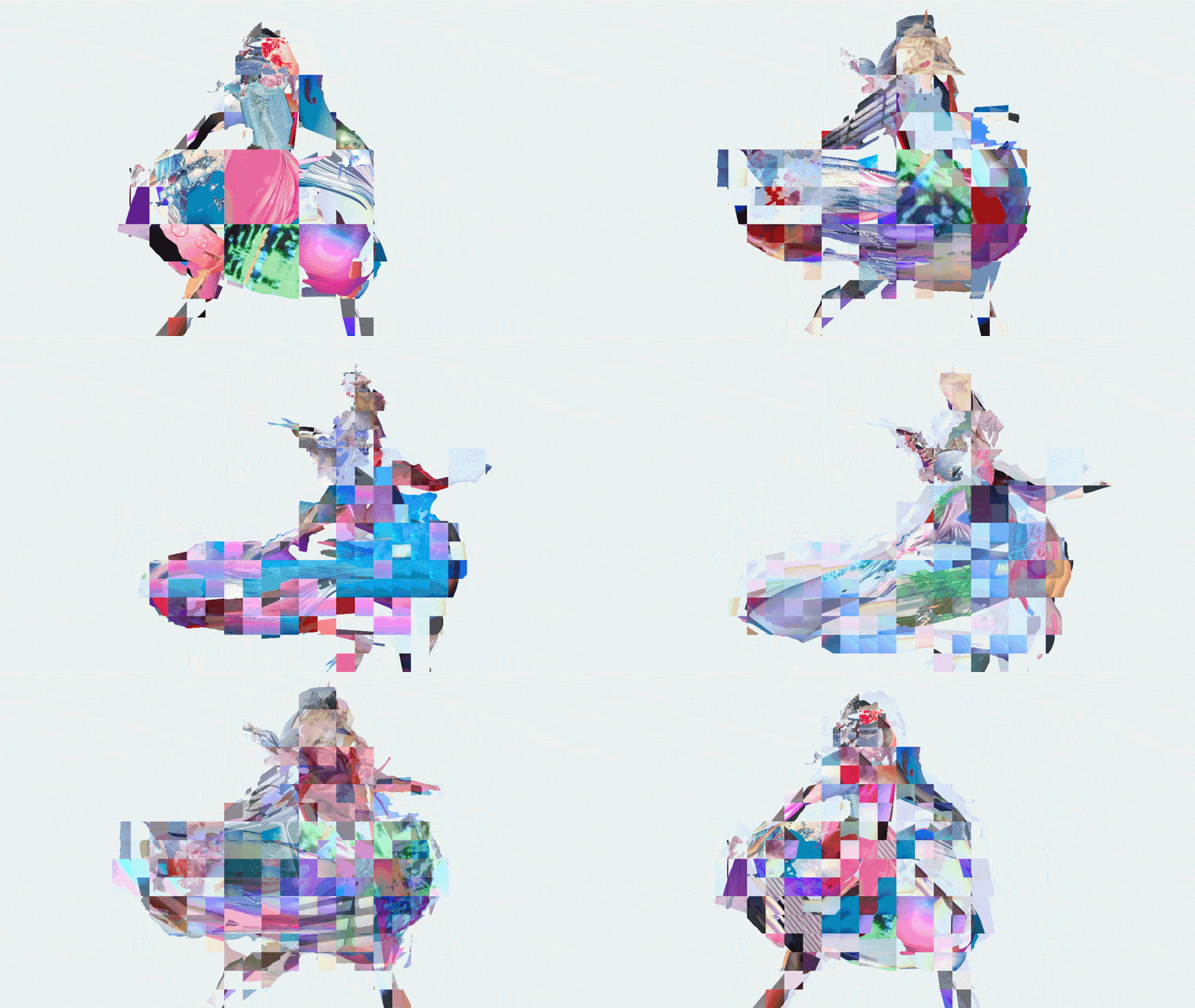
De-Minimis takes the art of collage as a provocation for combining conventional generative art with machine learning. It asks how far a neuro-generative approach can be pushed inside a manual, cut-and-paste medium. The goal is not to replicate collage with a network, but to draw on the range of creative decisions in its history and build new uses of neural networks as intelligent modules inside larger generative systems.
The process runs as one pipeline that mixes procedural design, deep learning and manual work. A VGG16 classification network supplies perceptual loss, separating style from content so the algorithm can select patches with geometric or stylistic resonance. Segmentation models make the cut-outs, first by object category and then, as a next step, soft semantic segmentation of image features. After a patch is chosen, an optimisation phase refines the region with gradient descent instead of the earlier random sampling, which is slow and subject to diminishing returns. GANs appear both as generators and as systems that respond to a collage in progress, producing patches in a process close to overpainting or mixed media.
The title refers to the legal argument used to defend collage artists against copyright claims: that the matter is too trifling for a court to consider. That argument has become a cultural truce for the internet’s disregard of image ownership. The project reads a parallel between a network that ingests vast image collections to form a model and a collage artist who works the same way, and it carries the ethical and legal questions of both. Source images, target images and final presentation are chosen to draw out these overtones.
The output is a series of printed works made for exhibition, using the process’s capacity for large upscaling and images that resolve more clearly at a distance. A parallel collaboration with designer Maryna Taiberman tests printing collages on silk.
Media